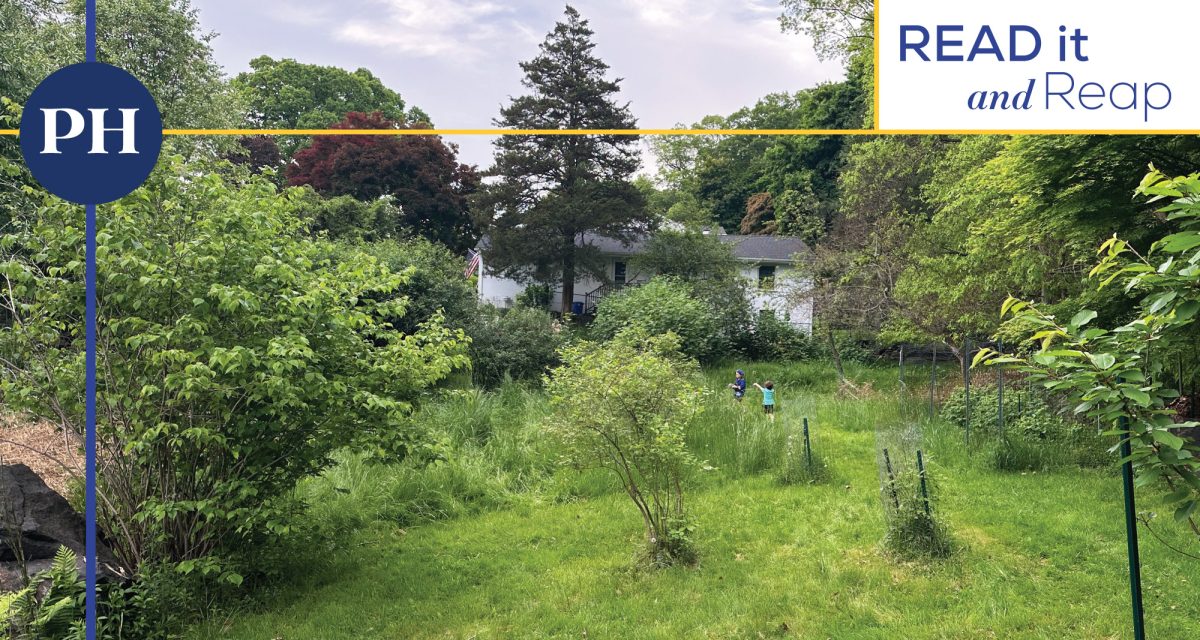



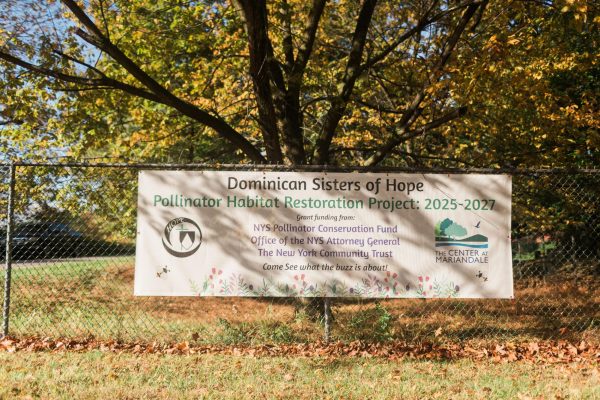
The Dominican Sisters of Hope are in the midst of transforming a 5.5-acre meadow at Mariandale in Ossining into a pollinator habitat, thanks to a grant awarded to them by the New York Community Trust. The $100,000 grant, awarded in June 2025, was given to support pollinator conservation on the land. The first phase of the project, invasive species removal, is well underway.
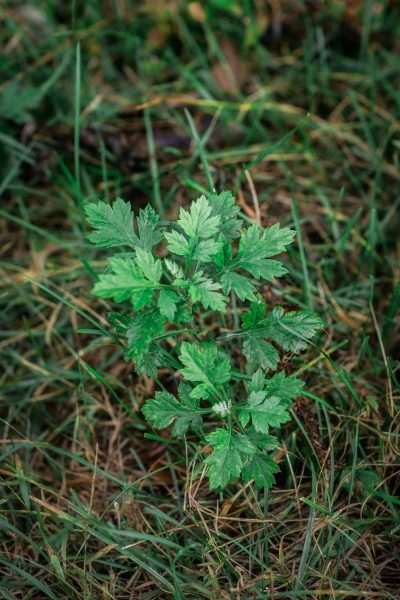
The invasive species being removed is a type of mugwort called Artemisia vulgaris. The non-native and highly aggressive plant was brought over from Europe accidentally on ships several hundred years ago as well as intentionally for teas and medicinal uses. Unlike native mugwort—commonly known as white sagebrush and used by Native Americans for traditional ceremonies and medicinal practices—this fast-growing non-native mugwort crowds out native plant life and sources of food for wildlife.
The operations staff, under the direction of project manager Sister Lorelle Elcock, OP, is using two environmentally friendly methods to eradicate the mugwort: solarization and goat vegetation management.
The first attempt to weaken and suppress the mugwort with solarization began last summer. The field of invasive species was covered with heavy sheets of clear plastic. The goal is for the plastic to trap solar heat which then helps to kill the mugwort’s root system. The initial attempt was unsuccessful because the field was not totally covered until mid-August, which did not give it long enough to bake before the cooler weather arrived.
“Nature has its rhythms, and we were somewhat out of step with the dance,” said Sr. Elcock. “This truly has been a process of learning by doing. Getting in step with nature’s ways and being prepared for surprises are new mantras.”
Robert Krebs, Director of Development at Mariandale, echoes Sister Elcock. “We learned quickly that this is a project that is going to take many years to complete,” he said. The schedule is “all subject to the rhythms of nature.”
The operations staff plans to have the field covered early this summer to give solarization a greater chance at success.
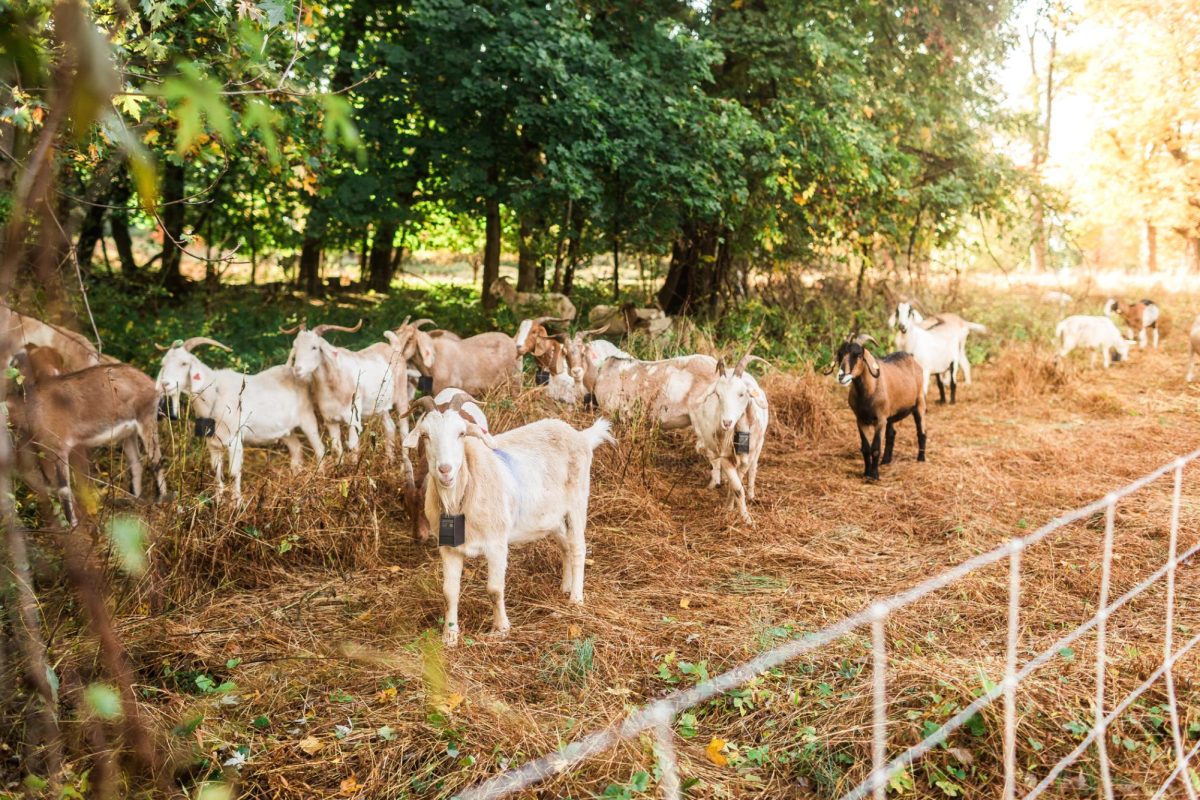
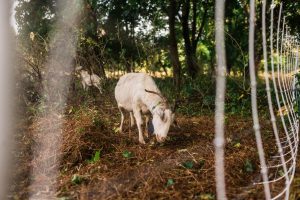
The second way the operations staff is eradicating the mugwort is with the help of hired goats. Nearly half of the acreage addressed by the grant is dense with trees and on the hills overlooking the Hudson. These hard-to-reach areas are perfect grazing grounds for goats.
Last September a herd of 25 goats from Fat and Sassy Goats spent a month at Mariandale. In addition to clearing unwanted vegetation—without the use of chemical herbicides or gasoline-powered tools—their digestive process improved the soil health.
According to Fat and Sassy Goats, “Goats are the ‘Swiss army knife’ of nature: they eat undesirable vegetation, ferment it into nitrogen-rich manure pellets, and aerate the soil with their hooves.”
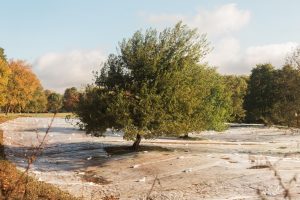
The goats did such a good job that the operations staff has begun seeding the area where they “worked” with native plants attractive to native pollinators.
Planting pollinator-friendly plant species on Mariandale land is the second part of this project. If all goes according to plan with the solarization of the flat field, that area will be seeded and planted this fall.
The third part of this project looks to the future. It involves educational efforts to highlight the impacts and importance of pollinators for the environment.
The Dominican Sisters of Hope were one of 34 nonprofits awarded a total of $3.2 million in grants across New York State to support pollinator conservation efforts. The money comes from a $6.9 million settlement New York Attorney General Letitia James obtained from Bayer CropScience LP and Monsanto for allegedly misleading the public about the safety of certain Roundup consumer weedkillers, which can be toxic to pollinator species like bees and butterflies.
The Attorney General used these monies to create the New York Pollinator Conservation Fund, and the New York Community Trust was selected to administer the fund.
The aim is to benefit pollinator species through habitat management, restoration, and enhancement, as well as pollinator research, monitoring, education, and outreach.
According to the 2022 Empire State Native Pollinator Survey, at least 40 percent and as many as 60 percent of pollinator species native to New York, including bees and butterflies, are at risk of disappearing from the state. Habitat destruction, overuse of pesticides, and climate change are the three main reasons for these losses.
“One in every three bites of our food depends on wild and domesticated pollination,” said Arturo Garcia-Costas, the New York Community Trust’s program director for local, national, and international environment. “Pollinators play an important role in maintaining biodiversity and supporting food production systems.”
Attorney General James added, “Pollinators are the unsung heroes of our environment, yet their very existence has been threatened by the harmful impacts of pesticides, habitat destruction, and climate change. These grants are a down payment on a more sustainable future for … a healthy, green, and vibrant New York.”
This project aligns perfectly with the sisters’ goals. “The Dominican Sisters of Hope have a long history of consciousness and action on behalf of the environment,” says Sister Elcock. “We had committed 34 of Mariandale’s 61 acres to a conservation easement in 2017 to protect them from development in perpetuity, and more recently we had committed ourselves to education and land justice issues with the support of the Land Justice Futures movement.