


To say a lot has changed since the City of Peekskill adopted its last comprehensive plan in 1981 would be an understatement, whether that be new developments, shifting demographics or a revitalized waterfront.
As the city prepares to update and replace its plan to guide future land use decisions and capital investments, the consultant team hired by the city is first asking residents, businesses and local leaders what their priorities are.
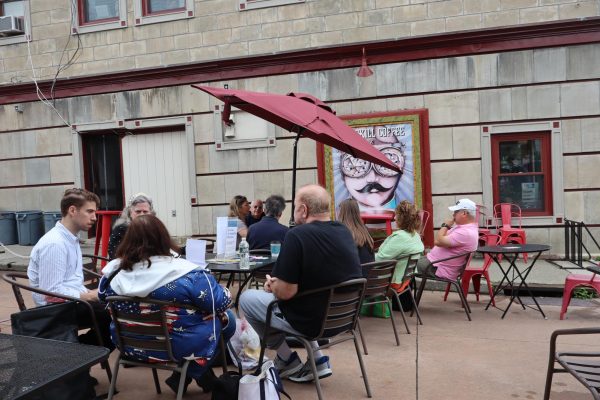
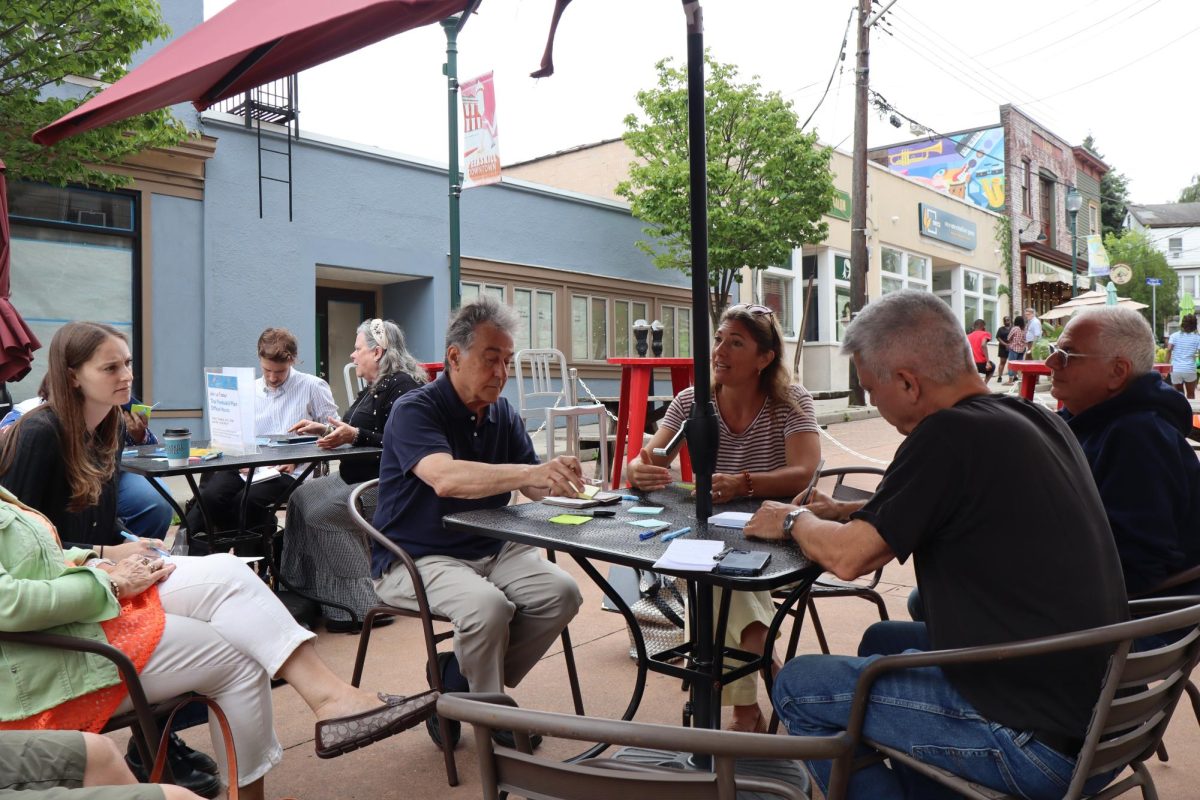
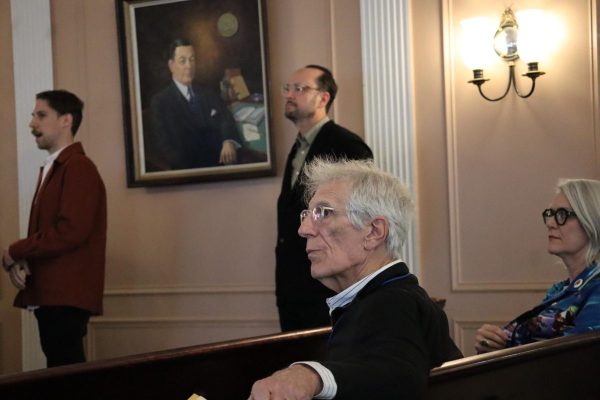
On Tuesday, July 7, Interboro, an urban planning and design firm based in Brooklyn, held what it called an “office hours” event at Esther Street Plaza from 1 p.m. to 3 p.m. for stakeholders to learn about the “Peekskill Plan,” talk with the planning team, learn how to get involved and share their input.
Those in attendance included both longtime and new residents, Deputy Mayor Patricia Riley, Director of Planning Carol Samol, and project team members Justin Paul Ware, Tiffany Zezula, Claire Pfister and Daniel D’Osa. The initiative was described by Interboro as not the city’s plan, but the “people’s plan.”
“It’s about creating a shared vision,” project manager Ware told the Peekskill Herald. “But it’s also really critically about bringing all of the relevant stakeholders to the table so that they understand each other’s views and different constraints and trade-offs. We need to start to prioritize. We need to start to understand as a community and a residency and as a city, which of those things is most critical. What are the steps to achieving those things? How can we start small?”
Priorities shared by attendees included beautification efforts, connecting the river to the downtown, building on Peekskill’s diversity, creating attractions, warding off gentrification and combating vacant storefronts.
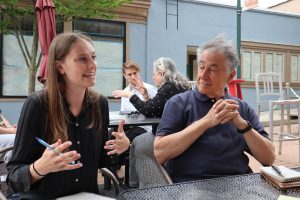
Resident Bob Supina recalled first moving to Peekskill about seven years ago and being attracted by the walkability, diversity and restaurant strip. He said he felt the city was going in the right direction but that the Covid-19 pandemic put the brakes on that and that positive energy has yet to be recaptured.
“Peekskill has good bones,” Supina told the Herald. “You have all these empty storefronts that we’re not taking care of. It’s like flowers that aren’t tended to. We have to maintain these things. We’ve got to beautify the storefronts, get some pop-up stores in them, encourage them to open up again, get some businesses benefiting them. Everything about Peekskill, it’s like a garden that just needs to be tended to.”
Tim Warn, a member of several local groups including the Rotary Club of Peekskill, told designers he believed the city needed to capitalize on the waterfront, building on the presence of RMS Cruises and HQ Racing. He suggested having a business improvement district but for the waterfront.
“There’s always been a separation from the riverfront and downtown,” Warn said. “And historically we have to remember our riverfront did not serve recreational purposes. We had our stove plants there, it was our industrial heart. So downtown was always separate. Now we have this beautiful riverfront. So how do we capitalize on that? And how do we bring people down to our beautiful riverfront?”
The Comprehensive Planning Committee will have a Steering Committee, composed of five to six city appointed staff and officials to provide technical guidance, policy alignment and institutional coordination, as well as a Resident Advisory Committee composed of 12 volunteer residents who are selected by a lottery that will be reviewed to avoid overrepresentation.
Project manager Ware told the Herald that the firm received 110 applications to join the Resident Advisory Committee. Results are expected to be announced at the Peekskill Common Council meeting on Monday, July 13.
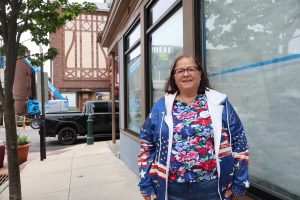
One of those to apply was longtime resident Elena Muniz-Walker, who said she wanted the plan to tackle overdevelopment and how it affects infrastructure such as police, fire and schools, which she described as overcrowded. She told the Herald it was unfathomable to her that the city, with boundaries covering 5.6 miles along the Hudson River, continues to talk about more development..
“Analyze what we have already developed, what’s already in the pipe, and say we might need to take a respite from more development or more people coming in,” Muniz-Walker said. “Let’s beautify our parks. Look at how many people were talking about the little sprinkler pad where the kids could play. Look how long it took to get that. We have pickleball, and the rate was going to be so high that people wouldn’t play in it. Are we gentrifying too much here and then forgetting about the people who don’t participate in that?”
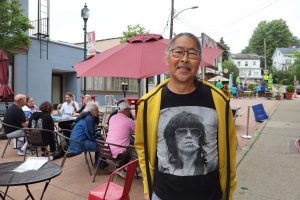
Peekskill resident and cyclist Calvin Lom told the Herald he would like to see the construction of a bike pump track for exercise and a bike path from the train station to the trails of Blue Mountain.
He also said he would like the Peekskill Regeneration Farm model to be expanded to the public property on the riverfront to support the work of Caring for the Hungry and Homeless of Peekskill (CHHOP), which operates the Jan Peek homeless shelter along the waterfront.
“You have the need to feed the homeless and support the good work by CHHOP,” Lom said. “And actually, they get a lot of their food from multiple farms. Why can’t we do the farm-to-table and give the dignity to people they need and kind of scale it up and take care of our people? If we take care of our people, that says a lot about our community.”
Interboro previously held a public workshop at the Neighborhood Center on June 11 and has more events planned for the future. The Peekskill Plan is estimated to be finished in July or August 2027.
“We want to make sure that we hear from as many people as possible,” Interboro principal D’Oca told the Herald. “We’ll take a look at who showed up [today] and, critically, who didn’t show up, and we’ll make efforts to make sure we hear from more young people, more [Hispanic} people, more renters, less homeowners.”
Zezula, deputy director for the Land Use Law Center at Elisabeth Haub School of Law at Pace University, said she looked at the comprehensive plan like a New Year’s resolution for a city. She said the plan typically addresses natural resources, the environment, housing, economic development, infrastructure and transportation. Technical experts reviewed the last comprehensive plan to see what needs were identified, what has been accomplished and what hasn’t.
“When the city updates zoning or changes land use regulations, it must be in conformance with the city’s comprehensive plan,” Zezula told attendees. “It looks back at that policy document to say what was important to the city… and then [at] the city common council speaking to prioritize with the staff what to do about it. It can’t all happen at once — we don’t all accomplish our New Year’s resolution overnight, so what is the priority as we move forward?”