


The effect of the closure of the Indian Point nuclear power plant in April 2021 can still be felt at Hendrick Hudson Central School District in the Town of Cortlandt. The district lost $8 million of funding in 2021 from the closure.
As the state budget is currently under active negotiation past its April 1 deadline, the school district is pressing both Albany and Washington for state and federal assistance as the district works to address the lasting financial impact of the shutdown and the significant loss of local revenue.
In a press release, the district said the closure resulted in the loss of a major source of PILOT (payment in lieu of taxes) and tax revenue, reducing the district’s overall revenue base by 25 percent to 30 percent, which equates to a shortfall of more than $25 million for the 2026-27 school year.
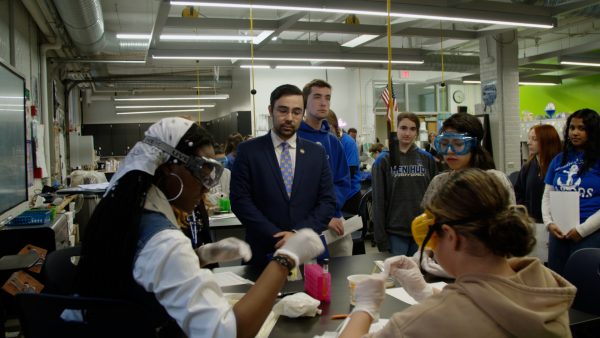
Hendrick Hudson Central School District Superintendent of Schools Michael Tromblee told the Peekskill Herald in a phone call that the revenue is essential to the schools’ services, programs, and positive opportunities for students.
To make up for that loss, he said the district has to choose between cutting costs – including programs students benefit from — or raising taxes, which he acknowledged is a difficult conversation to have.
“It almost appears as if we’re having to pit one portion of our community against each other,” Tromblee said. “Those who value education, which most of our community does, and those who are experiencing financial difficulties and may be on fixed income.”
Tromblee said that over the last several years, the focus has been avoiding cuts that directly affect academics or the student experience, including staff headcount, consultants and discretionary spending.
In the 2023-24 school year, the district had as many as 654 total staff positions. The district said that through attrition and careful management of assignments, the headcount has been brought down to 602 as of March 2026. Tromblee said the district has been conducting a line by line budget review for the last three years, to cut any non-essential discretionary expenses.
Tromblee said cuts would likely affect elective classes (such as some of the advance placement courses currently offered), specialized art or music programming, and initiatives such as the district’s Project Lead the Way, the district’s participation in the New York State PLAN Pilot program. He added there would also likely be impacts to some of the district’s athletic programs.
The district’s loss of revenue is currently offset to a modest extent by state aid through the cessation mitigation fund, which Trumblee said was established to allow the district to transition slowly off the large revenue it had by gradually paying taxes over the years instead of a dramatic, increased spike in taxes.
However, the fund is set to run out in the 2028-29 school year. As a result, the district has asked the state to extend the mitigation fund.

State Sen. Pete Harckham has introduced a bill in the Senate that would extend that cessation mitigation fund for an additional five years so municipalities who have lost significant property tax revenue from electric generating facilities can receive financial assistance for up to 12 years to offset the loss in revenue.
In addition, Harckham told News 12, “Since I’ve been in office, we’ve been able to increase funding to the Hendrick Hudson School District by 179 percent or $11 million annually. Additionally, we’ve been able to get them $3 million in discretionary funding.”
Harckham’s office shared with the Herald that an additional $1 million in financial aid from the Senate was appropriated for Hen Hud Schools in the Fiscal Year 2025-2026 State Budget. It is the third time the State Senate has come through for the district, according to Harckham’s office.
At the state level, the district said it is advocating several targeted forms of relief, including “adjustments to the Foundation Aid formula to better reflect districts that have experienced sudden and significant losses in local revenue; great flexibility within New York’s tax cap framework in cases of abrupt tax-base reduction; continued and strategic use of cessation mitigation resources; and direct state aid to help address immediate short-term gaps while maintaining program continuity for students.”
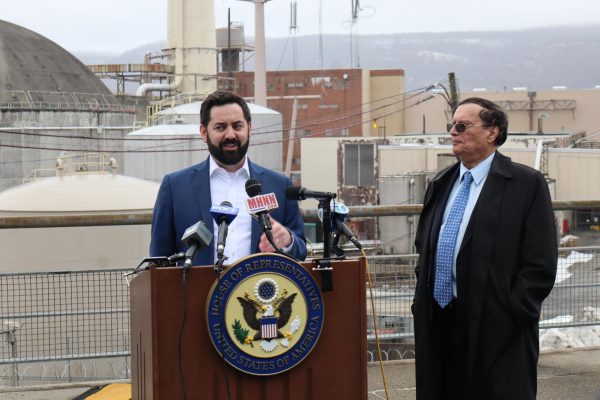
The district said it’s working closely with its state delegation, including state Sen. Harckham and Assemblymember Dana Levenberg, who have been engaged with the issue in Albany. The Hen Hud district’s release notes that past state budget support has helped offset a portion of the revenue loss and emphasized that continued action at the state level will be “critical” in the coming days as final state budget negotiations continue in Albany.
Over the past several weeks, school district leadership has met with officials at multiple levels of government to advocate relief and to outline the district’s current fiscal challenges. Those efforts included a meeting with U.S. Rep. Mike Lawler on March 6, a visit from representatives of Sen. Kirsten Gillibrand’s office on March 11, and a visit from a representative of New York Gov. Kathy Hochul’s office on March 13. The district also recently held a follow-up meeting with New York State Assistant Secretary for Education Ileana Infante.
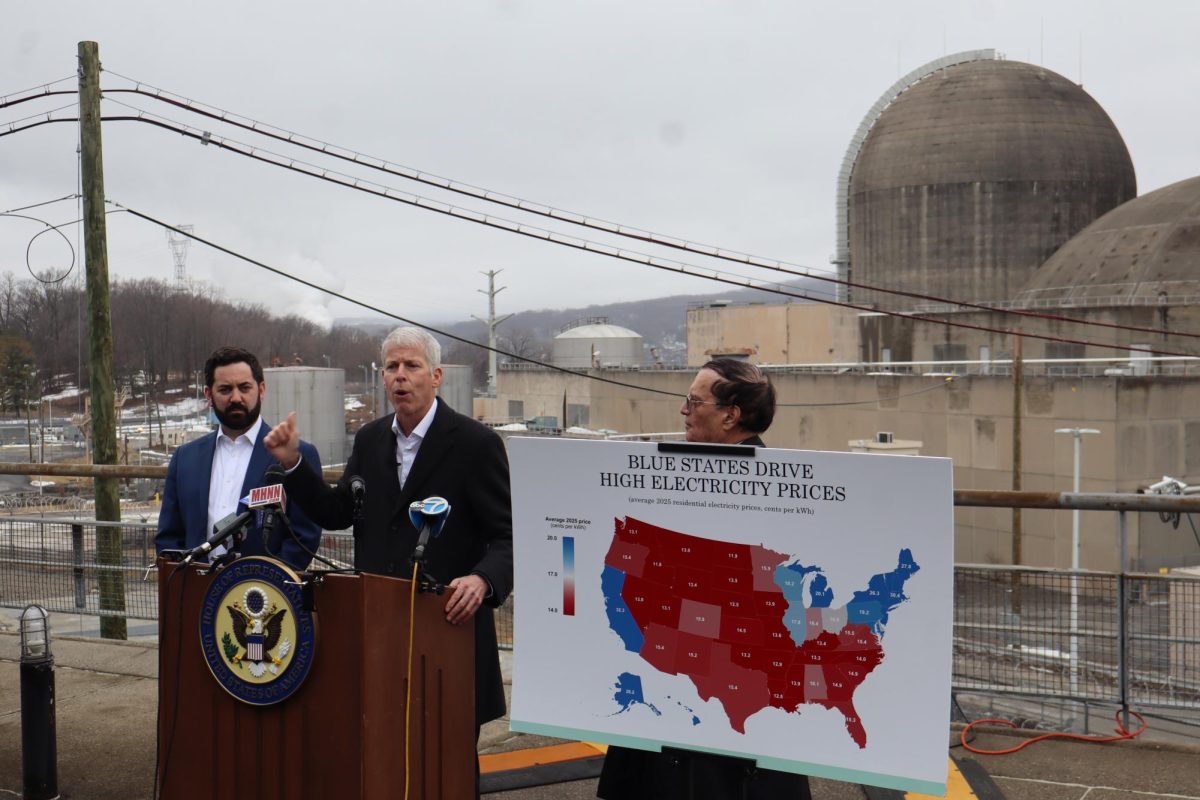
Lawler introduced the Economic Recovery for Nuclear Affected Communities Act in early March, which seeks to provide economic relief to communities that lost jobs and tax revenue after nuclear plant closures but remain burdened by stranded nuclear waste and continue to store spent nuclear fuel onsite.
Referencing the Stranded Act (predecessor to Lawler’s Economic Recovery for Nuclear Affected Communities Act that was introduced in 2017), Tromblee said if passed, it would allow the district to tax the spent nuclear fuel that is stored at Indian Point, making up for the 25 to 30 percent revenue loss the district has had from the shutdown.
Asked about next steps, Tromblee said the district is meeting with the New York State Division of the Budget on Friday, April 10. The meeting was secured after previous advocacy efforts with state legislators and officials.
“That particular meeting will be very direct and asking what we would like to see out of the budget,” Tromblee said. “But we’re going to continue our advocacy efforts. We’re going to continue helping our communities understand the budget situation that they’re in, why we’re asking for the money to continue our programs for our students. But then day in and day out, our main job is to provide for our students. So we won’t just sit around, we’ll continue to work for them.”