


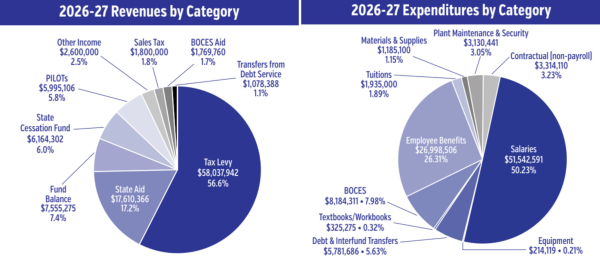
On Tuesday, May 19, residents of the Hendrick Hudson community will head to the polls to vote on the school district’s proposed 2026-27 budget of $102,611,139, which includes a local tax levy increase of 6.49 percent. Voters will also weigh in on three other propositions and elect two trustees to the seven-seat Board of Education for three-year terms.
Voting will take place from 7 a.m. to 9 p.m. in the Frank G. Lindsey School gymnasium at 57 Trolley Road, Montrose, New York. Registration is required; however, residents who are registered to vote in the general election and have cast a ballot within the last four years are automatically eligible to vote in the school district election.

“A school budget is not simply a balance sheet showing projected revenues and expenses; it determines funding for academics, student services, safety, transportation, and facilities. It supports our day-to-day school operations and our long-term planning,” Hendrick Hudson Superintendent of Schools Michael Tromblee wrote in a newsletter sent to the community.
Tromblee noted the closure of the Indian Point Energy Center has created “a profound loss of revenue” and remains the central challenge in the district’s budget development process. The shutdown eliminated a major source of PILOT (payment in lieu of taxes) and tax revenue, reducing the district’s overall revenue base by 25 to 30 percent — a projected shortfall of more than $25 million for the 2026-27 school year.
“Navigating this fiscal reality requires difficult decisions, yet the proposed budget further advances our ability to live out our mission to ensure students are engaged, passionate learners who achieve their maximum potential and contribute to society,” Tromblee wrote. “Please know that as we manage these financial constraints, our district leadership and Board of Education remain engaged in continuous, proactive advocacy at the state and federal levels. We are fighting to secure legislation and targeted funding to protect our taxpayers from the economic fallout of the Indian Point closure, seeking every possible avenue to offset this loss of revenue.”
Explaining the district’s budgeting strategy, Tromblee said officials used a zero-based budgeting approach, requiring each department to identify efficiencies and scale back initial proposals.
“We have focused reductions on non-instructional areas, including contractual services and operational spending, to preserve core academic programs,” he wrote. “Through careful workforce planning and attrition, district staffing has been reduced from 654 positions in the 2023-24 school year to approximately 602 positions. We now evaluate every position upon vacancy to determine if responsibilities can be consolidated while maintaining the student experience.”
He added that operational adjustments have included changes to daily coverage models and reductions in permanent substitute staffing.
“We also maintain a lean administrative staff that comprises approximately 7% of the budget, compared to peer districts that typically range between 10-12%,” Tromblee noted.
If the proposed budget fails to receive the required 60 percent supermajority on May 19, the Board of Education would have three options, according to the newsletter: resubmit the same budget for a revote, present voters with a revised budget, or adopt a contingent budget.
A contingent budget could result in staff reductions, larger class sizes, and cuts to programs and operations likely to directly affect students, including reductions to electives, athletics, facility use, and extracurricular activities. It would also prohibit equipment purchases, limit transportation to home-to-school-to-home service only, and require outside organizations to pay fees to use school facilities. In a contingency budget, the school district would still need to honor employee contracts and follow state mandates, with cuts coming from non-mandated items.
In addition to the budget vote, residents will decide on three other propositions. Proposition 1 is the school budget itself. Proposition 2 would authorize financing of up to $775,000, as needed, for district transportation maintenance, operations, and home-to-school vehicle purchases. Proposition 3 seeks voter approval to allocate $1,490,794 to the Hendrick Hudson Free Library. The library funding is separate from the district budget. Proposition 4 asks voters to elect up to two trustees to serve three-year terms on the Board of Education.
Q&A with Board of Education Candidates
Five candidates are vying for two open seats on the seven-seat Board of Education: Antoinette Pio, Daniel Saleem, Devys Rivera, and incumbents Tomica Dietrich, Amelia Silverman.
To help voters make informed decisions, the Peekskill Herald posed a series of questions to each candidate. Each received the same set of questions and was asked not to exceed a total word count of 1,500 words.
The candidates are presented below in the order they will appear on the ballot. Ballot positions were randomly selected during an April Board of Education meeting.
Devys Rivera
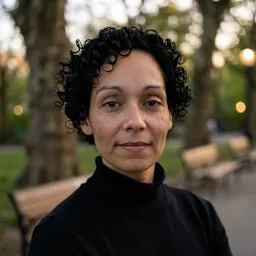
Please share your professional background, educational experience, and any accomplishments that have prepared you to serve on the Board of Education.
I am an accomplished IT operations leader with over 10 years of experience driving healthcare technology innovation, IT service delivery, and human-centered coaching. I specialize in improving workflows, strengthening compliance with regulatory standards, and leading cross-functional teams through complex enterprise transformations, skills that are essential as our district navigates the financial and operational shifts following the Indian Point closure. My professional background in ERP implementations and budgetary oversight allows me to bring a data-driven, analytical lens to the Board, ensuring fiscal accountability while ensuring that essential programs, particularly special education, are never compromised. With a PhD in Psychology and experience as a Certified Life Coach, I am dedicated to helping our district unlock sustainable growth while prioritizing student well-being and the diverse needs of all learners. I am committed to using my expertise in strategic planning and stakeholder collaboration to serve the families and neighbors of the Hendrick Hudson School District.
How long have you been a resident of the Hendrick Hudson School District, and do you currently have children enrolled in the district?
I have been a resident of the Hendrick Hudson School District since 2020 and the parent of a child currently enrolled in our schools.
What do you believe are the most pressing challenges currently facing the Hendrick Hudson School District, and what would be your top priorities if elected?
The most pressing challenge facing the Hendrick Hudson School District is navigating the long-term financial impact of the Indian Point closure. As a homeowner and parent in the district, I believe we must bridge the resulting revenue gap through strategic, forward-thinking leadership that protects our students’ education while respecting the taxpayer.
My top priorities would be fiscal responsibility and efficiency, management and contract oversight to ensure every dollar is maximized. Sustaining educational quality, fiscal discipline should never come at the cost of the classroom. I will advocate for protecting the core programs, arts, and athletics that define the Hendrick Hudson experience. Mental health and student well-being, I am committed to ensuring that even in tight budget cycles, we prioritize the emotional and social support systems our students need to thrive. Strategic transparency, moving forward from the Indian Point era requires clear communication with the community. We would work to ensure the Board provides transparent data and long-term planning so residents understand how we are stabilizing our financial future.
How would you approach balancing the district’s educational goals with budgetary constraints, particularly when difficult financial trade-offs are required? If reductions became necessary, what principles would guide your decisions about where adjustments should be made?
I believe that balancing a high-quality education with a tightened budget requires a transition from emotional decision-making to a data-driven, analytical approach. My professional background in IT operations and business needs analysis has taught me that the best way to handle financial trade-offs is through transparency and objective metrics. If reductions become necessary, I would guide my decisions based on the following three principles: Data-Driven Prioritization, Operational Efficiency Before Program Cuts, and before touching student-facing programs, I would look for savings in Vendor Management and Service Delivery. Human-Centered Impact Assessment: While the numbers provide the “what,” we must understand the “who.” I would analyze how potential adjustments affect the emotional and social well-being of our students and staff. When trade-offs are required, I would be guided by Core Educational Integrity, protecting the essential academic and support services that directly prepare students for their future. Long-Term Scalability: Choosing solutions that solve today’s budget gap without creating a larger financial crisis years down the road. By applying a rigorous analytical framework, we can ensure that Hendrick Hudson remains an amazing school district while remaining fiscally responsible to our homeowners.
Serving on the Board of Education is an unpaid volunteer position that requires a significant investment of time and energy. What motivates you to seek this role?
My motivation for seeking a seat on the Board of Education is rooted in my deep commitment to the community where my family is being raised. As a homeowner and a parent with a child in the district, this role is not about personal gain, but about serving the neighbors and families that surround us every day. I am driven to use my experience in IT leadership and budgetary oversight to ensure our schools remain strong and supportive for all students. Ultimately, I am dedicated to applying my professional skills in strategic planning and human-centered leadership to give back to the community that my family calls home.
How would you ensure that the perspectives of students, parents, teachers, staff, and taxpayers are meaningfully considered in the decision-making process, particularly when those perspectives differ?
To ensure all perspectives are meaningfully considered, I approach decision-making with the understanding that differing viewpoints are not only expected but essential for progress. My leadership style is built on the same cross-functional collaboration and human-centered coaching frameworks I use to manage high-performing teams in my professional life. I believe in utilizing an analytical, data-driven approach to objectively weigh diverse requirements against our district’s long-term goals while maintaining total transparency with stakeholders so the “why” behind every decision is clear. By drawing on my experience as a Certified Life Coach to facilitate active listening and respect, I will work to find common ground that balances educational excellence with our community’s fiscal realities, ensuring that every final action remains aligned with our shared mission of student success.
As voters consider who should fill these two Board of Education seats, what message would you like to share about your candidacy and the vision you would bring to the board?
My candidacy is built on the understanding that what matters most to one person may not be the same for another, and that diversity of thought is a strength, not a hurdle. I believe this role is not about pushing a personal agenda; it is about truly listening to every stakeholder, parents, teachers, and taxpayers alike, and understanding their unique priorities for our schools. I am committed to collaborating with the entire board as a dedicated team member, focused on finding common ground through respect and consensus. With over 15 years of experience in leadership and human-centered coaching, I promise to bring a vision centered on collaboration and a shared commitment to the sustainable growth of our district. If you are looking for honesty, integrity, and accountability without ever compromising our student focus, I ask for your support. Vote #1 Devys Rivera for Hendrick Hudson School Board.
Tomica Dietrich
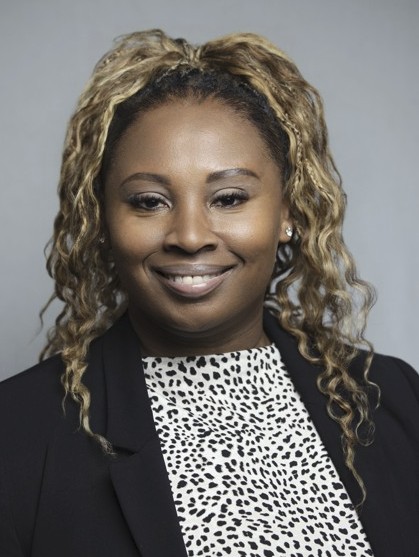
Please share your professional background, educational experience, and any accomplishments that have prepared you to serve on the Board of Education.
As Senior Account Executive with over 20 years of experience, I bring both professional leadership experience and a deep commitment to this community. I manage a portfolio of $25 million in large strategic accounts, oversee teams and work extensively with budgeting, operations and long-term planning. These skills directly translate to Board service and are needed now more than ever.
How long have you been a resident of the Hendrick Hudson School District, and do you currently have children enrolled in the district?
I have lived in the Hendrick Hudson School District for 15 years and chose this community as the place to raise my family. I currently have a child in fifth grade in the district, so I experience our schools not only as a Board member, but also as a parent.
Before serving on the Board, I was actively involved in the PTA, including serving on the nominating committee, which gave me valuable perspective on the needs of families and students.
What do you believe are the most pressing challenges currently facing the Hendrick Hudson School District, and what would be your top priorities if elected?
The biggest challenge facing our district is long-term financial sustainability following the closure of Indian Point and the continued decline of cessation funding. At the same time, we must continue supporting students academically,socially, and emotionally while preserving the quality of programs our community values.
My top priorities would continue to be fiscal responsibility, academic achievement, and advocacy. As Vice President, I worked with advocacy partners and Governor Hochul’s office to bring state leaders into our schools so they could see firsthand the incredible work happening in our district. That effort helped generate an unprecedented level of state support and continuing that advocacy will remain critical moving forward.
How would you approach balancing the district’s educational goals with budgetary constraints, particularly when difficult financial trade-offs are required? If reductions became necessary, what principles would guide your decisions about where adjustments should be made?
Balancing educational goals with financial realities requires thoughtful, transparent, and data-driven decision-making. Every decision should begin with one question: “How does this impact students?”
We must prioritize classroom instruction, student support services, safety, and programs that directly contribute to student success. When difficult trade-offs are required, I believe in carefully reviewing efficiency, sustainability, utilization, and long-term impact before considering reductions that directly affect students.
Honest communication with the community is essential. Residents deserve to understand both the challenges we face and the reasoning behind the decisions being made.
Serving on the Board of Education is an unpaid volunteer position that requires a significant investment of time and energy. What motivates you to seek this role?
I truly care about this community and the opportunities our schools provide for children. As someone who came to this country at 15 years old, education and supportive educators changed the trajectory of my life. That experience is a big part of why I care so deeply about public education and equity.
Serving on the Board allows me to give back to a community that has given so much to my family. While the work can be challenging, knowing that our decisions impact students, families, and the future of our district makes the commitment worthwhile.
How would you ensure that the perspectives of students, parents, teachers, staff, and taxpayers are meaningfully considered in the decision-making process, particularly when those perspectives differ?
Strong leadership starts with listening. One of the most important responsibilities of a Board member is making sure people feel heard and respected, even when perspectives differ. I make it a priority to engage with parents, teachers, staff, students, and community members openly and respectfully. While different groups may sometimes have competing priorities, the best decisions come from collaboration, transparency, and keeping students at the center of the conversation.
As voters consider who should fill these two Board of Education seats, what message would you like to share about your candidacy and the vision you would bring to the board?
My experience, leadership, and commitment to this community have prepared me to continue serving on the Board. Over the past several years, we have navigated major financial and academic challenges while maintaining strong programs, strengthening district leadership, and advocating aggressively for additional state support.
My vision is centered on stability, transparency, student success, and long-term sustainability. I want Hendrick Hudson to continue being a district where students feel supported, educators feel valued, and families remain proud to call this community home.
Antoinette Pio

Please share your professional background, educational experience, and any accomplishments that have prepared you to serve on the Board of Education.
I have been an active volunteer in our school community for over 15 years, serving as President of the Elementary PTA, the Hendrick Hudson Community Education Foundation, the Parents Community On Music, and multiple Hen Hud sports clubs. I am also a member of the Verplanck Ladies Auxiliary and Mount Carmel Ladies Auxiliary, and a volunteer for the Mount Carmel Italian Club and Cortlandt National Little League. I have raised thousands of dollars to fund grants and implement Cultural Enrichment programs. I have shown strong leadership skills, especially during the reconfiguration of our elementary schools as PTA Co-President.
How long have you been a resident of the Hendrick Hudson School District, and do you currently have children enrolled in the district?
I have lived in the district for over 18 years. My husband and I have four sons. My oldest son graduated from Hendrick Hudson High School in 2024 and is in his second year at SUNY Albany studying elementary education. My second son is graduating from high school in June and will be attending Lincoln Tech for HVAC. My third and fourth sons attend Blue Mountain Middle School this year, and one of them will attend the high school next year.
What do you believe are the most pressing challenges currently facing the Hendrick Hudson School District, and what would be your top priorities if elected?
Right now, one of the major issues is our budget. With the closure of Indian Point, the district lost $25 million in annual funding. And we are in a long-term financial crisis. The cessation fund is currently set to expire in 2028–2029. We also have the Energy Stabilization Reserve Fund that is going to run out in the same timeframe. These funds helped us close the gap, but are not a long-term solution. I have been following along, so I know the district has gone to great lengths to reach out to our local, state, and federal officials, and that work needs to continue. Our state aid increased slightly, but it’s not enough. We are facing a 6.24% tax levy increase this year, and hard decisions will continue to be made to provide the best possible experience for our students while also listening to our community.
The biggest challenge this community faces is that 60% or more of our community members do not have students in the district. We have to be sure they are part of the process and understand the risks, so when they vote, they are confident that their tax dollars are being put to good use. Healthcare costs are rising. We need to find creative ways to continue to serve our students while advocating for more support from our officials. I would like to be a part of a team that continues to work to educate the greater community about where the gaps are, what that means, and how they can get involved with advocacy. With all of my experience volunteering in the community, I have creative ideas to involve their thoughts and those of other stakeholders. New ways to connect and make sure all voices are heard.
I would like to implement a district AI policy and ensure our technology policies reflect the best needs of our students and staff. I would like to be a voice in the next Capital Bond project to ensure more is allocated to our field needs, as well as the continued upkeep of our district facilities. We should work to create more handicap accessibility at our buildings, and complete our Capital Bond projects as quickly and efficiently as possible.
How would you approach balancing the district’s educational goals with budgetary constraints, particularly when difficult financial trade-offs are required? If reductions became necessary, what principles would guide your decisions about where adjustments should be made?
I would approach balancing the district’s educational goals with budgetary constraints by protecting the quality of education and student experience while recognizing the financial realities facing our community. Decisions should be made thoughtfully, transparently, and with long-term sustainability in mind.
If reductions become necessary, I believe we must prioritize what most directly impacts students, classroom learning, safety, and student well-being, while continuing to meet the needs of our special education students and all mandated services. I would rely on data, administrative expertise, and input from teachers and staff who understand how decisions affect students on a daily basis.
Clear communication and community involvement are also essential, especially in a district where many residents no longer have children in the schools. Building trust through transparency and stakeholder input is critical.
At the same time, I would continue supporting efforts to advocate for additional state and federal aid, explore efficiencies where possible, and look for creative solutions that preserve opportunities for students while maintaining fiscal responsibility.
Serving on the Board of Education is an unpaid volunteer position that requires a significant investment of time and energy. What motivates you to seek this role?
I believe I am a strong candidate to serve as a Board of Education Trustee because I bring a combination of hands-on district experience, proven leadership, and a deep commitment to the success of all Hendrick Hudson students.
Over the years, I have served our schools in many capacities, including as PTA Co-President during the elementary reconfiguration process, where I worked closely with district leadership, families, and school communities during a significant period of change. That experience gave me valuable insight into how complex decisions are made, how they impact students and staff, and how important communication and trust are throughout that process.
In addition, my two years serving on the Strategic Plan committee allowed me to participate in long-range conversations about district goals, student achievement, and the future direction of Hendrick Hudson. Through my work supporting grants and Cultural Enrichment programs, I have also remained focused on expanding opportunities that directly benefit students.
Most importantly, I have spent years building relationships within our schools and seeing firsthand the dedication of our teachers, staff, administrators, and families. I am approachable, dependable, and willing to ask thoughtful questions, listen carefully, and advocate responsibly. I believe effective board members must be collaborative, informed, and student-centered, and I am prepared to bring that mindset to the Board of Education on behalf of the entire Hendrick Hudson community.
How would you ensure that the perspectives of students, parents, teachers, staff, and taxpayers are meaningfully considered in the decision-making process, particularly when those perspectives differ?
Helping the district through difficult fiscal times requires responsibility, careful planning, and strong community trust. A Board of Education Trustee must review the budget carefully, ask thoughtful questions, and make informed decisions while keeping students at the center of every discussion.
During financially challenging periods, expenditures should be evaluated to determine what is essential, sustainable, and where efficiencies may be possible without unnecessarily affecting the quality of education. Budget decisions impact the entire community, including students, families, faculty, staff, senior citizens, and residents without children in the district. Since more than 60% of our community does not currently have children in the schools, their voices should also be included in the conversation.
Clear communication is critical. Community members deserve to understand what is being proposed, why decisions are necessary, and how they may affect students and district operations. Meaningful stakeholder input helps build trust and allows the Board to make better-informed decisions.
Board members should also rely on the expertise of administrators, teachers, and staff who understand where resources are most needed and how decisions affect classrooms and student services. A trustee’s responsibility is to balance fiscal realities with educational priorities while protecting core programs, planning responsibly for the future, and helping the community remain informed and engaged.
As voters consider who should fill these two Board of Education seats, what message would you like to share about your candidacy and the vision you would bring to the board?
At this point in my life, I feel ready to serve in a role where I can make a meaningful impact on the future of our district and community. I have been considering running for the Board of Education for several years, and through my years of volunteer experience and involvement in our schools, I believe I am prepared to take on that responsibility.
With two children now out of the district and two still attending Hendrick Hudson schools, I have the time, perspective, and continued investment in our community to fully dedicate myself to this role. I would bring strong community relationships, a collaborative mindset, fresh ideas, and a willingness to listen and learn.
I understand that serving as a Board member is different from serving as a parent. Trustees must look at decisions through the lens of what is best for the district as a whole while balancing the needs of students, staff, families, and taxpayers. I am prepared to approach those decisions thoughtfully, respectfully, and with an open mind.
Most importantly, I want to help ensure that all stakeholders feel heard and represented. Strong communication, transparency, and collaboration are essential to building trust and moving Hendrick Hudson forward in a positive direction.
Amelia Silverman

Please share your professional background, educational experience, and any accomplishments that have prepared you to serve on the Board of Education.
My professional background is rooted in education, leadership, and community involvement. I am currently a Math 8 and Algebra 1 teacher in both ICT and general education settings, and I have been an educator for over 15 years. Working directly with students in diverse learning environments has given me firsthand experience with curriculum, instruction, student support services, and the day-to-day realities facing schools, staff, students, and families.
I earned my Bachelor’s degree in Secondary Education and Mathematics, as well as my MSED in Special Education and Literacy. My educational background and professional experiences have provided me with a strong understanding of both general and special education programming, differentiated instruction, and the importance of meeting the needs of all learners.
For the past three years, I have proudly served on the Hendrick Hudson Board of Education, including leadership roles as Vice President and currently President. During that time, I have worked collaboratively to help guide the district through significant educational, operational, and financial challenges while remaining focused on what is best for students.
In addition to my Board service, I have been actively involved in the school community for many years through the HHEPTA, SEPTA, the Blue Mountain Middle School Site Based Team, and volunteer coaching with Cortlandt National Little League. I believe one of my greatest strengths is my ability to bring people together, listen to differing perspectives, and work collaboratively toward thoughtful solutions.
I am knowledgeable about how school districts function, committed to informed decision-making, and dedicated to maintaining strong communication among all stakeholders. Even before joining the Board, I attended Board meetings regularly for a full year because I believed it was important to fully understand the role and the needs of the district before serving in this position.
How long have you been a resident of the Hendrick Hudson School District, and do you currently have children enrolled in the district?
I have been a resident of the Hendrick Hudson School District for 12 years, and my family is deeply connected to the community. I currently have four children enrolled in the district attending Frank G. Lindsey Elementary School, Furnace Woods Elementary School, and Blue Mountain Middle School.
Being both a parent and a Board member gives me a valuable perspective on the experiences, needs, and opportunities within our schools across multiple grade levels and buildings.
What do you believe are the most pressing challenges currently facing the Hendrick Hudson School District, and what would be your top priorities if elected?
One of the most significant challenges facing the district continues to be the long-term financial impact of the closure of the Indian Point Energy Center. The loss of substantial tax revenue has created difficult fiscal circumstances that require careful planning, responsible budgeting, and continued advocacy at the state level.
If reelected, my priorities would include continuing to advocate for fair funding and legislative support, maintaining transparency throughout the budgeting process, and protecting programs and opportunities that directly benefit students. I also believe it is essential to continue evaluating district programs thoughtfully to ensure resources are aligned with student needs and educational outcomes.
Another important priority is strengthening communication and collaboration among students, families, staff, administration, and the community. I strongly value student voice and believe students should continue to play an active role in discussions about programming, opportunities, and the overall student experience.
In addition, I remain committed to supporting inclusive academic, extracurricular, athletic, and social-emotional programming so all students have access to opportunities that help them grow and succeed.
How would you approach balancing the district’s educational goals with budgetary constraints, particularly when difficult financial trade-offs are required? If reductions became necessary, what principles would guide your decisions about where adjustments should be made?
Balancing educational goals with budgetary constraints requires thoughtful planning, transparency, and a strong focus on student impact. I believe every budget decision should begin with the question: “How will this affect students and their educational experience?”
When difficult financial trade-offs are necessary, I believe in approaching decisions objectively by reviewing data carefully, evaluating program effectiveness, and considering both short-term and long-term impacts. I support the district’s continued use of detailed line-by-line budget reviews to ensure accountability and responsible use of taxpayer dollars.
If reductions became necessary, my priority would be to minimize the impact on direct student learning opportunities and essential supports. I would look carefully at areas where efficiencies can be found while continuing to protect high-quality instruction, student services, safety, and programs that support students academically, socially, and emotionally.
I also believe strong communication with the community is critical during challenging financial times. Stakeholders deserve transparency about the reasoning behind decisions and the realities the district is facing.
Serving on the Board of Education is an unpaid volunteer position that requires a significant investment of time and energy. What motivates you to seek this role?
I genuinely care about this district, its students, staff, and families, and I value the opportunity to contribute in meaningful ways to the success of our schools. Serving on the Board has been an incredibly rewarding experience because it allows me to help shape decisions that positively impact students both now and in the future.
My motivation comes from a desire to serve the community, advocate for students, and help ensure Hendrick Hudson continues to provide strong educational opportunities despite the challenges we face. I believe public education is one of the most important investments a community can make, and I take the responsibility of Board service very seriously.
I also enjoy building relationships, listening to different perspectives, and working collaboratively to solve problems. Over the past several years, I have demonstrated my commitment by consistently showing up, listening, learning, and doing the work necessary to support the district.
How would you ensure that the perspectives of students, parents, teachers, staff, and taxpayers are meaningfully considered in the decision-making process, particularly when those perspectives differ?
I believe one of the most important responsibilities of a Board member is to listen openly and respectfully to all stakeholders, even when perspectives differ. Strong decision-making comes from gathering information, asking thoughtful questions, and considering how decisions impact different groups within the community.
I strive to remain neutral, objective, and student-centered when approaching issues. While there are often differing opinions surrounding educational topics, I believe it is important to create an environment where stakeholders feel heard and respected.
Throughout my time on the Board, I have worked to strengthen communication and relationships among the Board, administration, teachers, staff, families, and students. I have also been a strong advocate for the student ex officio position because I believe student voice is an essential part of the decision-making process. Moving forward, I would like to continue expanding opportunities for student involvement by increasing the number of student representatives so that a broader range of student perspectives and experiences are represented.
I strongly value student voice and believe students should continue to have meaningful opportunities to share feedback and perspectives directly with district leadership. I also believe it is important to continue creating opportunities for parents, staff, and community members to engage in open and productive conversations about district priorities and challenges.
Ultimately, Board decisions should not be based on personal interests or the loudest voices in the room, but rather on what is educationally, fiscally, and operationally responsible for the district as a whole.
As voters consider who should fill these two Board of Education seats, what message would you like to share about your candidacy and the vision you would bring to the board?
I believe I bring experience, balance, collaboration, and a strong commitment to students and the community. Over the past three years, I have demonstrated my dedication through consistent service, thoughtful decision-making, and a willingness to listen and work with others, even during challenging situations.
My vision for the district is one that continues to prioritize students while maintaining fiscal responsibility, transparency, and strong relationships among all stakeholders. I want Hendrick Hudson to continue providing diverse opportunities that support students academically, socially, emotionally, athletically, and creatively while ensuring that decisions are made thoughtfully and responsibly.
I care deeply about this community and remain committed to advocating for our students, supporting our staff, and helping the district navigate future challenges with collaboration, accountability, and a student-centered focus.
Daniel Saleem
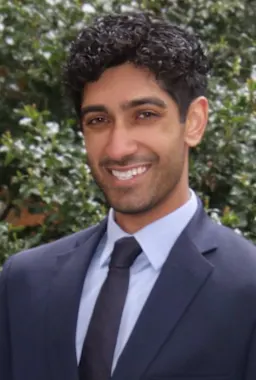
Please share your professional background, educational experience, and any accomplishments that have prepared you to serve on the Board of Education.
I am a proud graduate of Hendrick Hudson High School, Class of 2022. During my time at Hen Hud, I served as a two-term President of the student body, a principal actor in multiple productions, head of our FBLA chapter, and a member of two honor societies. These experiences gave me an early understanding of what it means to represent students, listen to concerns, communicate clearly, and take responsibility within a school community.
After high school graduation, I made the decision to serve our country and enlisted in the United States Army. I completed Basic Combat Training at Fort Jackson, South Carolina, and then completed my Civil Affairs training through the John F. Kennedy Special Warfare Center and School.
After completing my training, I began pursuing a double major in Political Science and History at the George Washington University. At GW, I became a university student senator, where I worked on funding decisions and helped balance million-dollar budgets for student organizations.
Even while attending school in Washington, D.C., I continued spending my summers here in our district. During those summers, I worked as a waiter and bartender at local restaurants, including Franco Martini Bar & Grill. Through that work, I continued to hear directly from concerned parents, seniors, and students about the issues, strengths, and challenges facing our schools.
I applied that local knowledge to my work with Congressman Mike Lawler’s office, where I started as an intern in 2024. In that role, I answered, organized, and filed constituent concerns and questions, including remarks from our community about Indian Point’s closure. Last summer, I also began my teaching experience as a Performing Arts Instructor for the Croton Music Academy, working with children ages 4 to 11 in public speaking, performing, and acting.
With just one semester left in my studies at GWU, I have made the choice to return home and commit myself to serving the community that raised me. Along with my education, professional experience, and student leadership background, I am also tasked with laying our local veterans to rest through military funeral honors. Together, these experiences have prepared me to serve on the Board of Education with a background in student leadership, public service, budgeting, constituent communication, youth instruction, and military service.
How long have you been a resident of the Hendrick Hudson School District, and do you currently have children enrolled in the district?
I have been a resident of the Hendrick Hudson School District since I was 8 years old, when I began attending Frank G. Lindsey Elementary School. I later graduated from Hendrick Hudson High School as a member of the Class of 2022, and my younger brother also graduated from Hen Hud in 2024.
I do not currently have children enrolled in the district. However, through my mentorship efforts as a coach of the High School Mock Trail Club and community member, I am still involved in student enrichment opportunities.
What do you believe are the most pressing challenges currently facing the Hendrick Hudson School District, and what would be your top priorities if elected?
For as long as I can remember, Hendrick Hudson has faced a difficult trifecta of challenges: financial constraints, school spirit and student morale, and communication with the broader community.
First, the district’s financial challenges did not begin with the closure of Indian Point, although that closure clearly made them more serious. Hen Hud has had to make difficult budget decisions for years, and families deserve clear, honest, and accessible communication about what those decisions mean for students, taxpayers, and the future of the district.
Second, I believe school spirit and student morale have taken a real hit since the COVID-19 shutdown. Many students lost important years of normal school life, and districts are still dealing with the social, emotional, and academic effects. Rebuilding school pride, student connection, and a stronger sense of belonging should be a priority.
Third, I believe the district needs to modernize and improve how it communicates with community members. Too often, information feels hard to find, overly technical, or disconnected from how families, students, seniors, and taxpayers actually receive updates.
My top priorities are centered on communication, student preparation, and rebuilding the programs that make school feel meaningful. I want to make sure community members understand the decisions being made by the Board of Education and how those decisions affect them. I also want to expand opportunities that prepare students for life after graduation, whether they choose college, trade or technical school, the military, or another career path. Finally, I want to protect and rebuild enrichment programs, sports, and the arts, because these programs help students discover their talents, build confidence, and feel like they belong.
How would you approach balancing the district’s educational goals with budgetary constraints, particularly when difficult financial trade-offs are required? If reductions became necessary, what principles would guide your decisions about where adjustments should be made?
Balancing educational goals with budgetary constraints requires being honest about what the district can afford while staying focused on what students need most. I would approach difficult financial decisions by prioritizing the programs, services, and staff supports that most directly affect a student’s academic experience, safety, and ability to succeed day to day.
If reductions became necessary, my first principle would be to protect the classroom experience as much as possible. That means looking carefully at how any decision would affect class sizes, student support services, academic programs, special education needs, mental health resources, and opportunities that keep students connected to school.
My second principle would be transparency. Families, staff, seniors, and taxpayers should understand why certain decisions are being considered, what alternatives were reviewed, and what the short-term and long-term effects may be.
My third principle would be fairness. Cuts should not fall hardest on one group of students, one building, or one type of program without careful review. The district should also look for efficiencies before reducing opportunities for students.
At the same time, I believe we need to be more thoughtful about the use of reserves. Reserves should not be used haphazardly, but they should be part of a serious conversation about giving taxpayers relief during times of financial struggle while still protecting the quality of education.
Serving on the Board of Education is an unpaid volunteer position that requires a significant investment of time and energy. What motivates you to seek this role?
When I was younger, I did not always have someone I felt I could look up to. Growing up in a single-parent household after my father left, and being a first-generation American student in Westchester, came with challenges that shaped the way I see schools and community.
For me, Hendrick Hudson became more than just a school district. It was a place where I felt safe, supported, and able to grow. It gave me teachers, mentors, opportunities, and a sense of belonging at a time when I really needed that.
My commitment to this district did not begin with this campaign. Since my freshman year of high school, I was sitting in rooms where decisions were being discussed, listening, asking questions, and working with school and district leaders through student government. As student body president, I learned how to advocate for students, communicate concerns respectfully, and understand the balance between what students want, what families expect, and what the district can realistically do.
That is a major reason why I want to serve on the Board of Education. I want to help make sure students never feel like their future is impossible or that they do not have people in their corner. Every student deserves to feel safe, seen, supported, and prepared for whatever path they choose after graduation.
How would you ensure that the perspectives of students, parents, teachers, staff, and taxpayers are meaningfully considered in the decision-making process, particularly when those perspectives differ?
Being in the military and working in federal government, I understand what it is like to balance multiple stakeholder interests at once. Not everyone will agree on every decision, but people are much more likely to trust the process when they feel they were heard, respected, and given a clear explanation.
As a board member, I would make it a priority to listen to students, parents, teachers, staff, and taxpayers before major decisions are made, not just after decisions are already finalized. That means attending community events, being accessible to residents, encouraging student input, listening carefully to educators and staff, and making sure taxpayers understand how decisions affect both the schools and the community as a whole.
When perspectives differ, I would focus on shared goals: student success, safety, fiscal responsibility, and the long-term health of the district. The job of a board member is not to dismiss any perspective, but to weigh them responsibly and make decisions that serve the district as a whole.
As voters consider who should fill these two Board of Education seats, what message would you like to share about your candidacy and the vision you would bring to the board?
The fact that I am a different type of candidate does not escape me. I am younger, I am a recent Hendrick Hudson graduate, and I bring a fresh pair of eyes to the challenges facing our district.
I see that as a strength. Hen Hud needs steady leadership, but it also needs dynamic voices who understand what students are experiencing today. I would bring energy, strong communication, and a deep commitment to the community that helped raise me.
My vision is simple: clearer communication, stronger preparation for life after graduation, and a renewed investment in the programs that make students feel connected, including arts, athletics, clubs, and enrichment.
I am ready to listen, work hard, and make responsible decisions for students, families, educators, staff, seniors, and taxpayers.