


More than two centuries after the end of the Revolutionary War, the history of the 1st Rhode Island Regiment remains largely unknown. The story of that regiment, composed primarily of African American soldiers and formerly enslaved men, will take center stage on Saturday, July 18.
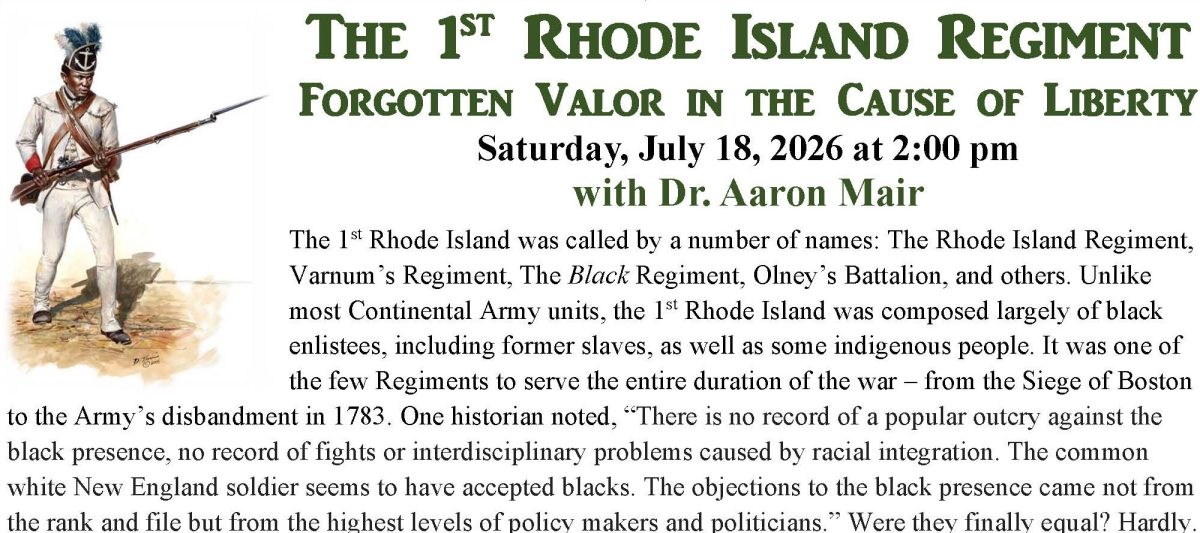
The presentation will be held at the Lincoln Depot Museum in Peekskill and will focus on the military unit whose role in the war remained outside traditional historical narratives for decades. The 1st Rhode Island Regiment: Forgotten Valor in the Cause of Liberty will be presented by historian and environmentalist Dr. Aaron Mair as part of the museum’s Third Saturdays at the Museum series.
The program will begin at 2 p.m. at the museum, located at 10 South Water St. Doors will open one hour before the event. Admission will cost $10 for the general public and will be free for museum members.
The presentation will explore the history of the group of soldiers that carried several names throughout the war, including the Rhode Island Regiment, Varnum’s Regiment, the Black Regiment and Olney’s Battalion. According to information provided by the museum, the battalion also included members of Indigenous communities, a composition that was uncommon among Revolutionary forces of the period.
According to the Lincoln Depot Museum, the 1st Rhode Island was also one of the few Continental Army units that remained active for nearly the entire Revolutionary War, from the Siege of Boston through the official disbandment of the army in 1783. That longevity allowed its members to participate in some of the conflict’s most significant campaigns and made the regiment a unique case in American military history.
Among the episodes to be examined during the presentation is the Battle of Pine’s Bridge, fought in Yorktown in 1781 and one of the engagements that took place in the Hudson Valley during the final phase of the war. According to the museum, the lecture will also seek to answer questions about where members of the regiment came from, where they served and what became of them after the conflict ended.
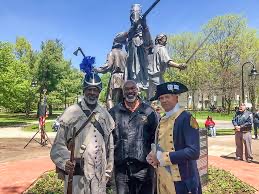
The presentation will also explore the contradictions many of these soldiers faced after the war ended. Although they fought for independence and served alongside white soldiers, the equality promised by the new nation did not reach most of them. There are no records of widespread protests among soldiers regarding racial integration within the regiment. Objections to the presence of African American soldiers came primarily from political leaders and high-ranking military officials.
Another topic expected to be addressed is the struggle many veterans faced in obtaining the compensation they believed they had earned through their military service. According to information released by the Lincoln Depot Museum, many former soldiers ultimately filed claims for back pay with the War Department, a situation that reflected the economic hardships and limited opportunities they encountered after the war ended.
The event is part of the special programming organized by the museum in recognition of the 250th anniversary of the American Revolution. For more information or additional details about the event or the museum’s schedule, readers may visit the museum’s website or contact [email protected].