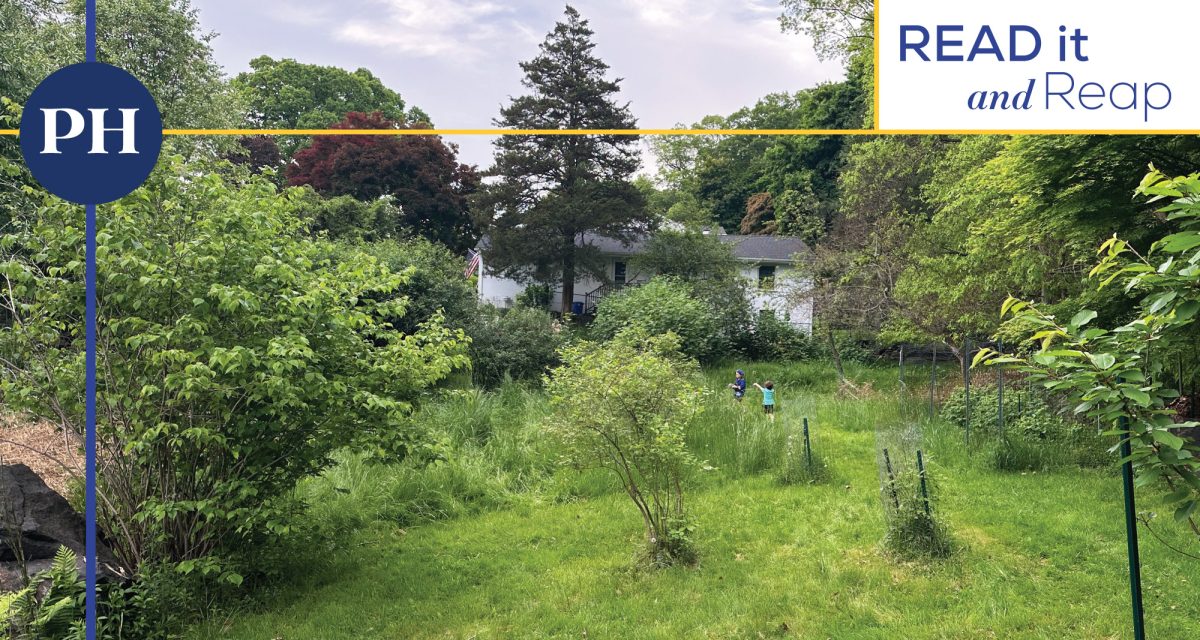



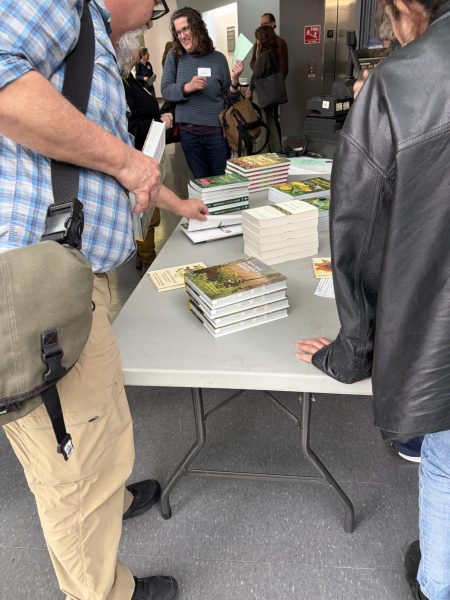
Neither gale nor traffic snaggle could dampen the spirits of the gardeners, students, and landscaping industry professionals at the annual Spring Landscape Conference on Monday, March 16. Hosted by the Native Plant Center at SUNY Westchester Community College, the conference’s topic, “Native Garden Design: Now Trending,” delved into how native plants have arrived in a big way on the gardening scene. Naturally, they’ve always been here!
Gardeners and the gardening industry, including everything from nurseries to upscale landscape design firms, are pivoting from classical gardens filled with Eurasian exotics to supporting the wide range of organisms that also call this land their home. Touting the wisdom of those like Doug Tallamy, an entomologist who leads the charge toward a future of “homegrown national parks” instead of sterile lawns, gardeners strive for a ratio of 70 to 80 percent native to 30 to 20 percent introduced plants to rebalance the scales in favor of non-human organisms.
Long considered too wild, scruffy, or just plain ugly, natives are now being embraced for their hardiness, adaptability to changing climates, and beauty. The biases surrounding how gardening should be done are loosening, and this conference explored the ways local landscape industry players are surging into the field of gardening.
Learning from the Experts
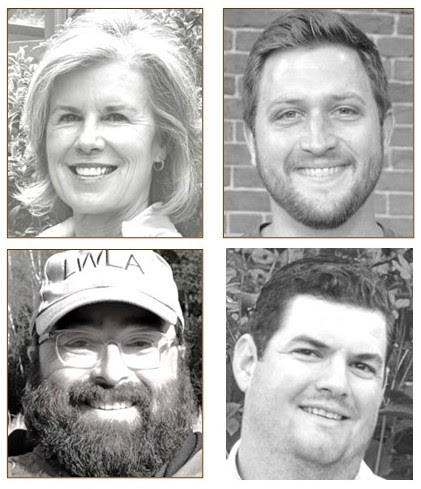
Leslie Needham, principal at Leslie Needham Design, combatted the idea that natives are anything but essential with her presentation, “The New Beautiful: Designing Naturalistic Spaces with Intention.” This Westchester resident and landscape designer showed the transformation of her own multi-acre property from its start as a beautiful but conventional landscape to its current incarnation as a zero-waste pollinator paradise. The property has been recognized by the Smithsonian Institute Archives of Garden Design, and has been photographed for the New York Times. From formal gardens to sylvan paths, she demonstrated inviting visitors–human and otherwise–into the landscape with thoughtful seating, lush “soft landings” under mature trees, and a commitment to closed-loop practices that eschew herbicides. An advocate of reducing lawn due to its copious water use and limited ecological benefit, she says, “Think ‘throw rug’ rather than ‘wall-to-wall carpeting.’” Projects like the transformation of the old Bedford Fire House into the boutique pizzeria oHHo also showcased her ability to tie together aesthetic needs with ecological upgrades like using stone dust rather than paving to retain water.
Ethan Dropkin, landscape architect and designer, presented “Native Plants as Garden Workhorses,” offering his perspective on different native plants he has used in his time at Larry Weaner Landscape Associates. He spoke about the use of specific plants for different landscaping needs, from a “hell strip” (that oft-neglected vegetative band between the road and the sidewalk needs to be salt-resistant and able to stand up to foot traffic and the occasional canine bathroom break) to building a deer-proof native flower garden. His recommendations? Consider Asclepias tuberosa, (butterfly milkweed), Coreopsis lanceolata (lanceleaf tickseed), and Fragaria virginiana (wild strawberry) for your hell strip. To keep the deer from beheading your bounty, he suggests any of the mountain mints (from the aggressive Pcyanthemum muticum to the well-behaved but harder to find P. flexuosum) or native nodding onions, like Allium cernuum or canadense.
Sam Hoadley, the manager of horticultural research at the Mt. Cuba Center, gave insight gained from his years of experience in evaluating native plants. Located in Delaware, this botanical garden has evolved into one of the country’s premier resources for information about the ecological value and overall growability of native plants and native plant cultivars. (Native “straight” species are those that have the same genetics as those found in the wild, whereas cultivars have been bred by humans to enhance desirable traits such as size or disease resistance.) Attendees were offered a glimpse into how plants are graded, including assessment of how often they are visited by pollinators, and then treated to the inside scoop as to which plants performed the best. A few recommendations for those looking to fill their yards with sure bets that will flourish with minimal care and feed pollinators: the Solidago rugosa “Fireworks” goldenrod cultivar proves to be a bumblebee magnet blooming at a crucial period for winter preparation, and the smooth hydrangea “Haas’ Halo” (H. arborescens) offers optimal pollinator conditions as well as great garden performance. For many more recommendations, please peruse Mt. Cuba’s website.
The last presenter of the day, Tom Knezick, provided perspective on the native plant nursery trade. As the president and second-generation owner of Pinelands Nursery in Mansfield Township, New Jersey, Tom invited attendees to consider how the nursery industry has changed since his parents’ presciently specialized business opened in 1983. Pinelands Nursery rose to prominence providing large-scale ecological restoration projects up and down the Eastern coastal United States with saltmarsh grasses and continues to this day to meet those needs as well as the burgeoning interest in native plants. One hundred percent sourced from native wild seed, Pinelands Nursery supplies to wholesale buyers and has partnerships with several retail nurseries to sell their products. Knezick identified a “broken feedback loop” between consumers and nurseries where the time it takes to identify, source, and grow a plant from wild seed is often out of sync with what gardeners are looking for to rewild their yards. Still, he gave hope that we can soon expect more species of previously hard-to-find natives to show up on nursery and garden center shelves as demand rises.
From seed to shelf to yard, native plants are in the spotlight. Check out a conference, plant sale, or class at The Native Plant Center this spring, and see what your garden can achieve!
The Native Plant Center will hold its Annual Plant Sale on Saturday, April 25, from 10 a.m. to 1 p.m.